

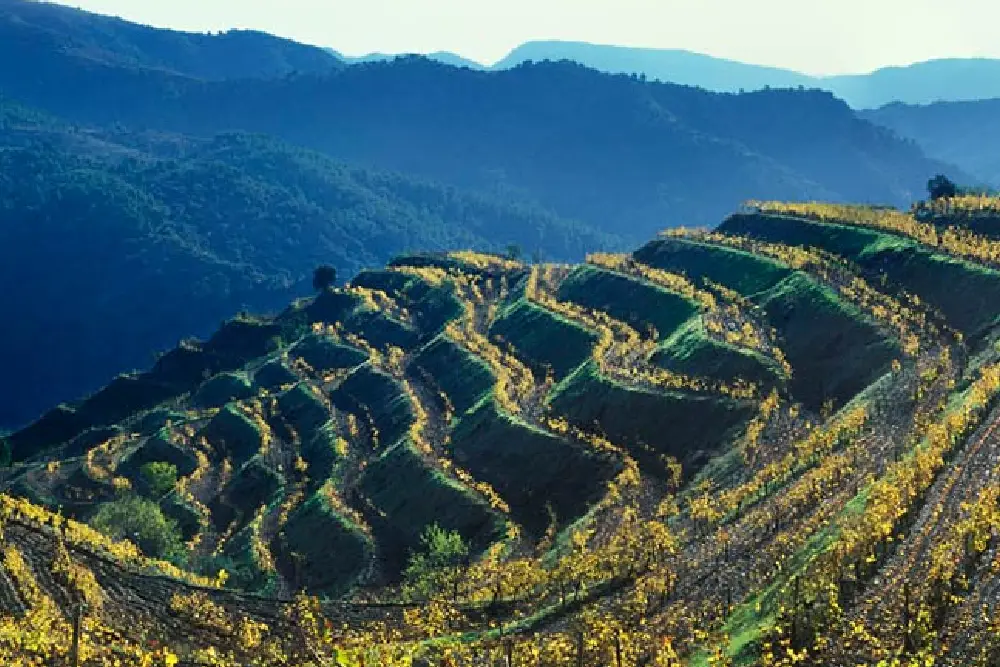
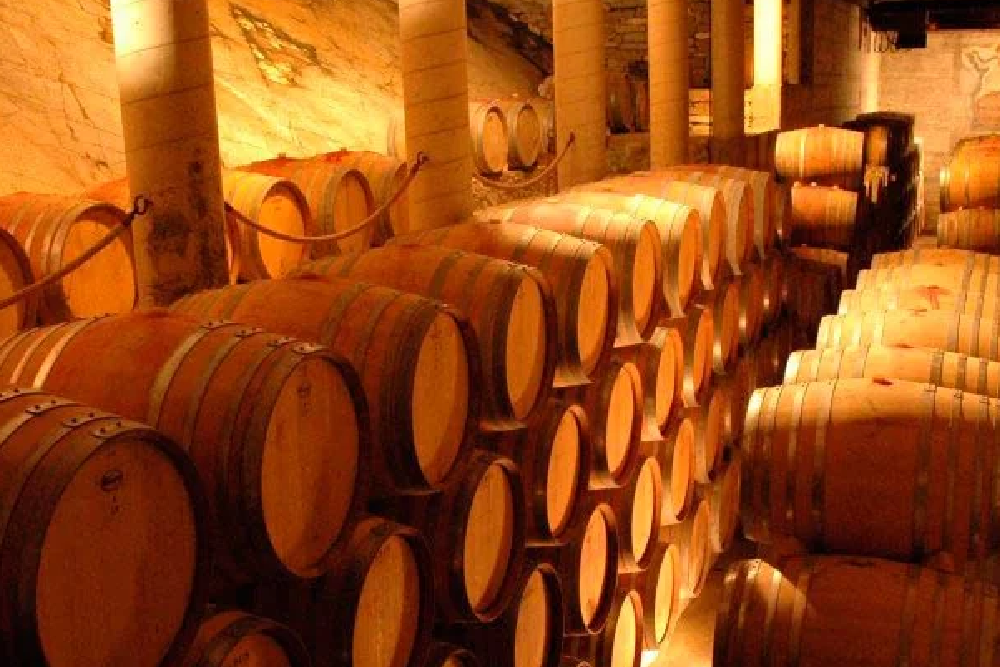
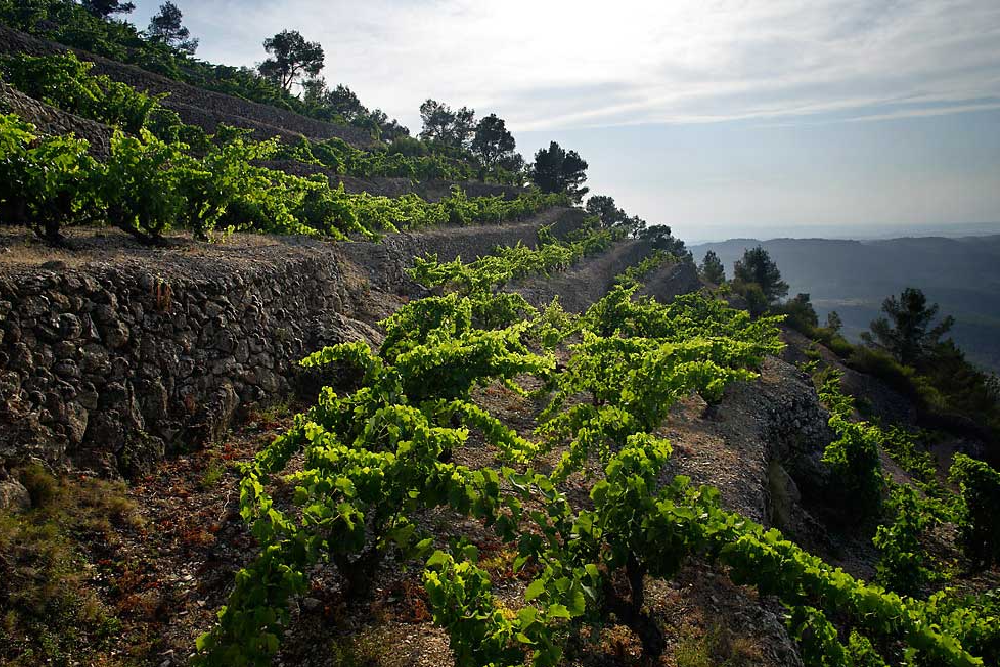
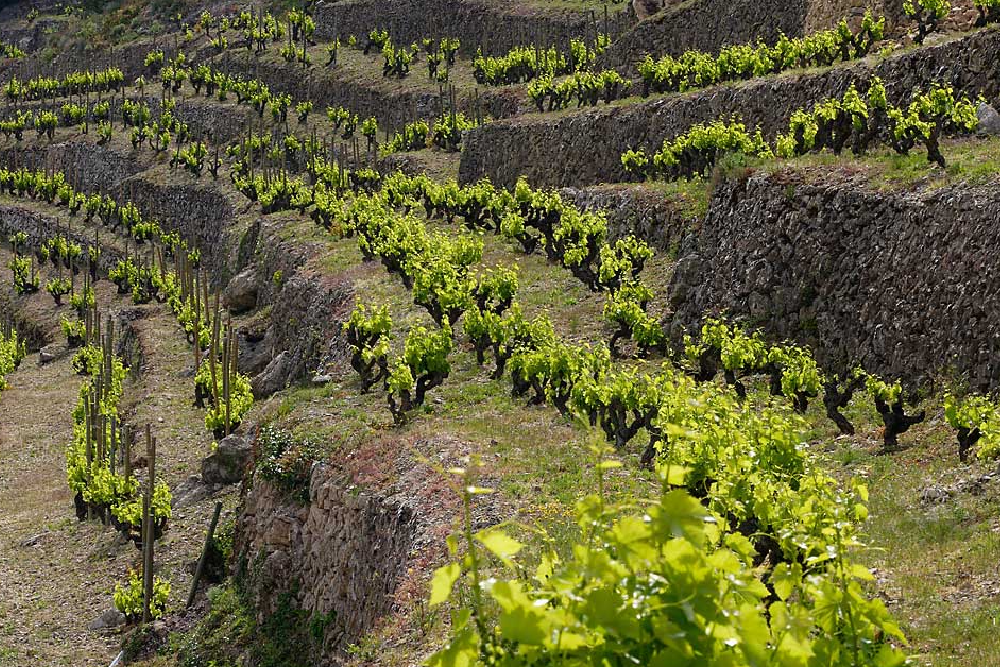
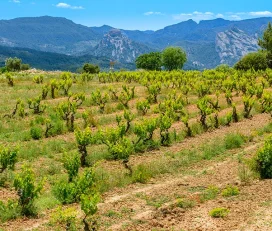
A family cellar located between ecological vines that elaborates high quality, high expression wines. Visit the vineyard, which seems like a magnificent slate amphitheatre, and discover the passion and soul of the wines that revolutionized the DOQ Priorat. Explore a pioneering winery that strives to ensure its wines are a faithful expression of the land they come from. ©Enoguia
 50.000
  2.000 L
  50 ha
50 ha
Visits and wine tourism at the Clos Mogador winery

• To arrange visit
• Visit: 10h and 15:30h
• Monday, friday and saturday
 50€ / 3h
 CA / ES / EN
 5 Wines
 2 min – 8 max
 Visit vineyards
Wines and olive oils from the Clos Mogador winery
• Clos Mogador, Vi de Finca Qualificada (DOQ Priorat)
• Manyetes, Vi de Paratge (DOQ Priorat)
• Nelin (DOQ Priorat)
• Gratallops Rosat, Vi de Vila (DOQ Priorat)
• Com Tu (DO Montsant)
• Clos Mogador Oli d’Oliva
Clos Mogador tells the story of a passion that was born in the seventies, when a few ‘crazies’ began to transform a poor and remote region into one of the most famous winegrowing areas in the world.
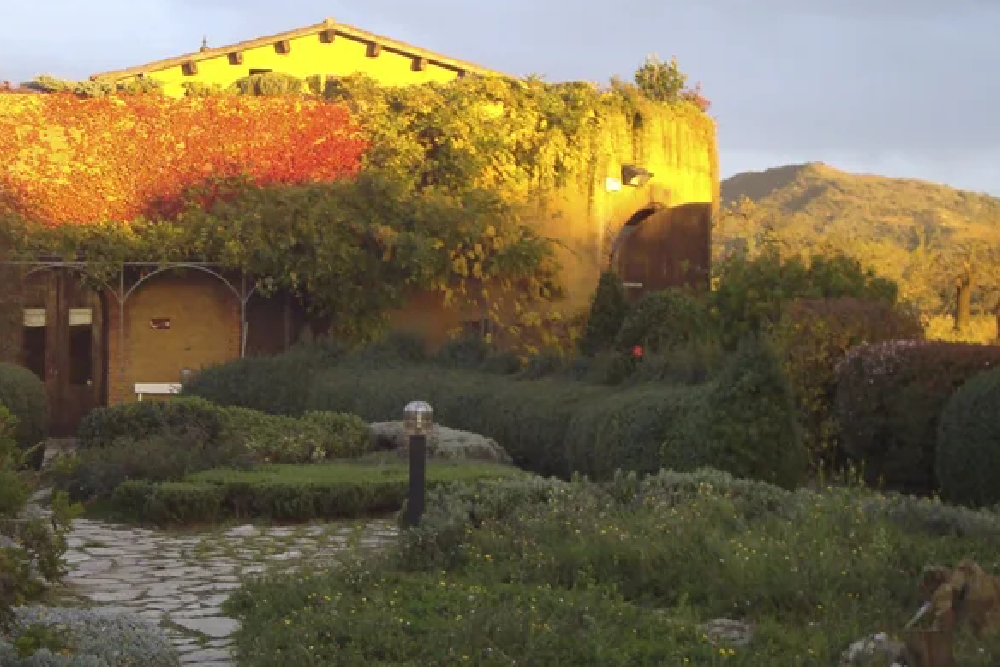
To speak of Clos Mogador is to evoke highly limited edition wines, elaborated according to strict criteria for organic agriculture that maintains ecological harmony in the environment. To practice wine tourism in Clos Mogador is to discover a little corner of Gratallops in which the history of the Priorat was forever changed.
The Barbier family arrived in Spain in 1880, fleeing from a phylloxera epidemic that destroyed 1500 hectares of vineyards in Le Martinet, in southern France. Leon Barbier founded the first winery in Tarragona, naming it René Barbier, after his son.
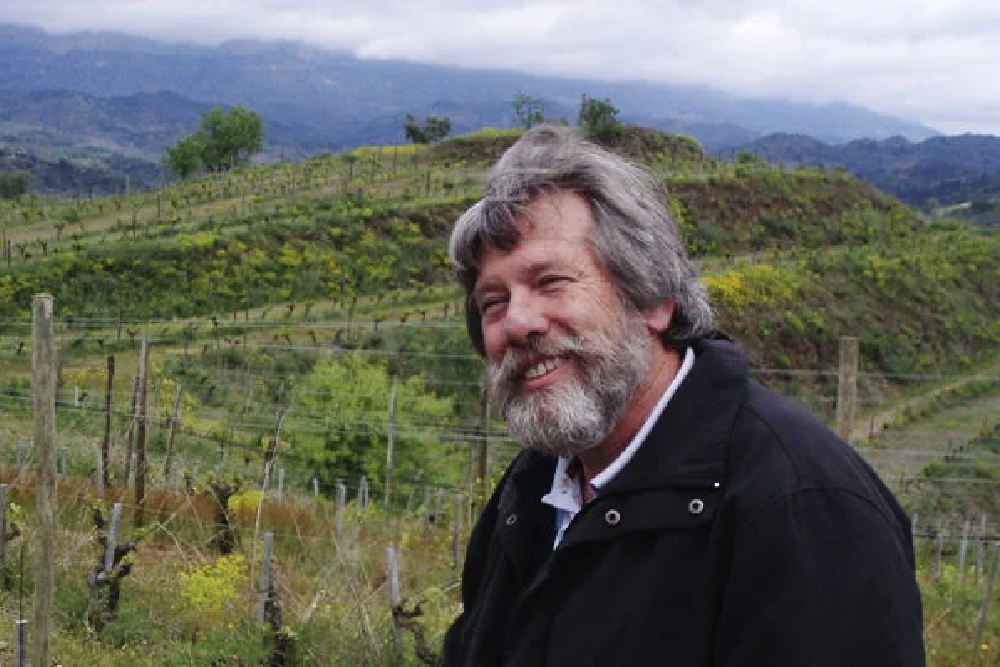
Almost a century later, a young 20-year-old René (a fourth-generation Barbier), and his wife Isabelle Meyer, arrived in Gratallops in search of a new life. René began to work for the Rioja winery Palacios Remondo, where he met Álvaro Palacios and together they initiated the adventure of making wine in the Priorat region. Little by little, they began to uncover the hidden gem of the centenarian vineyards.
Slowly, things began to change. The vines were no longer uprooted and local winegrowers began to see their work valued. Thanks to these pioneers, Priorat wine (until then known for being harsh, mediocre stuff) began to make a name for itself.
In 1979 René bought his first farm with a loan from his father-in-law, and began to revive the vineyards while also working to renovate the ruin that would later become his home. René convinced some of his friends to also buy abandoned estates in the area, and together they fostered the ‘crazy’ idea of producing quality wine using traditional and organic methods.
By 1989 this group of “pioneers of the Priorat” included, in addition to René and Álvaro, Jose Luis Pérez (Clos Martinet winery), Carles Pastrana (Clos de l’Obac winery) and Daphne Glorian (Clos Erasmus winery). That year they produced the wine together and the following year each one began to vinify separately. It was then that Robert Parker, the famous wine critic, noticed the quality of their wines and started rating them very highly. Clos Mogador became a legend.
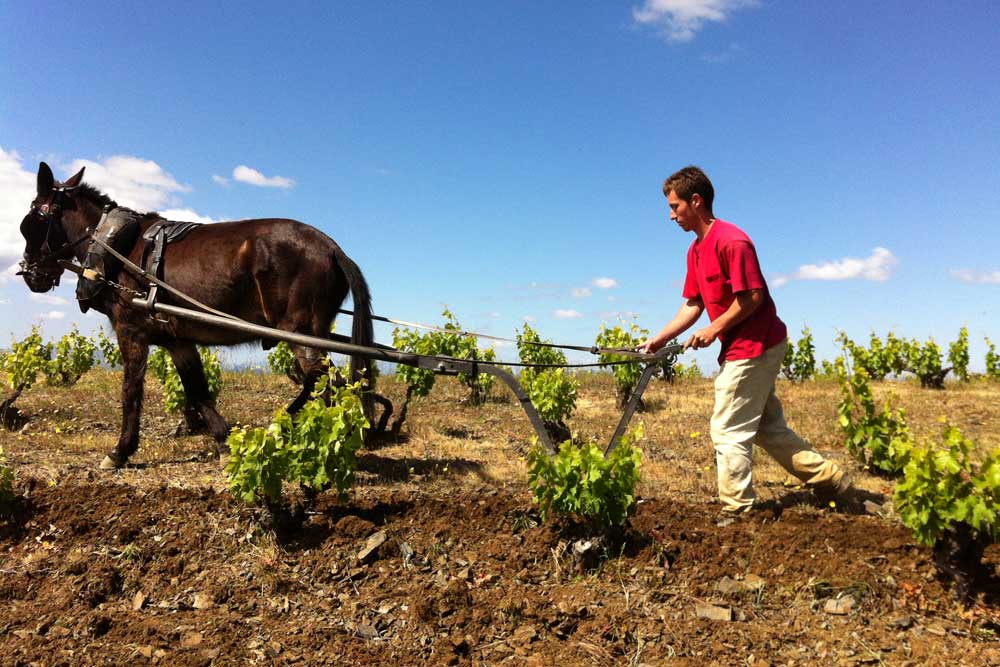
Much of the secret to the success of Clos Mogador’s wines is due to the techniques and rigorous organic treatments they apply to the vineyards. Their viticulture is characterized by a wide diversity, in which the vines coexist with aromatic herbs, olive and fruit trees, etc., which complement and enrich the vineyard. All their estates are harvested manually.
Clos Mogador wines are certified as Vi de Finca, which guarantees that the wine comes from a single estate that has very particular characteristics of terroir and climate.
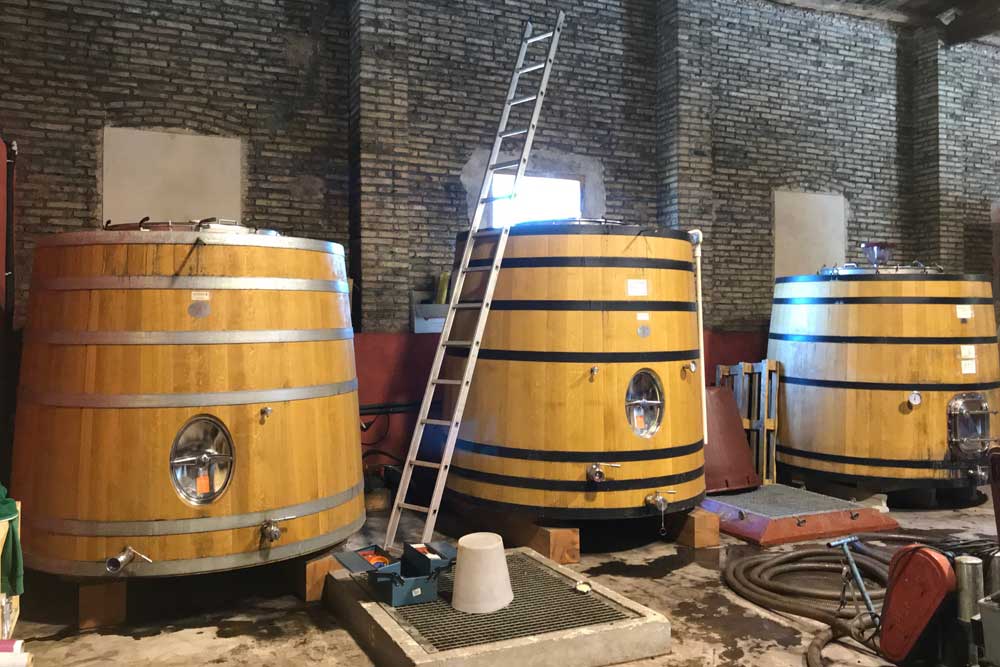
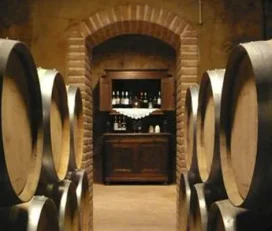
You can discover the secrets of this pioneering winery by visiting Clos Mogador. The tour begins with a visit to the estates (by vehicle), after which you will see the winery and learn about their winemaking and elaboration processes. Finally, there will be a wine tasting as well as a tasting of the olive oil they produce.
The whole tour lasts three hours and during that time you will be able to learn about the history of this family winery that, in its day, changed the destiny of an entire region.
>> Also Visit Cal Batllet
>> Discover DOQ Priorat


No Title
Visita de las que hacen historia… por el mucho tiempo que llevo esperando este momento y porque visitar Clos Mogador es visitar la historia viva del Priroat. La visita no decepciona, ver como tratan y miman todo el proceso te pone los pelos de punta y el momento álgido llega con la cata de los vinos que como digo, han marcado y siguen marcando la historia de esta pequeña región vinícola que elabora vinos de la ma´s alta calidad posible.
Una visita que tendré siempre en mi recuerdo!
muchas gracias por todo

No Title
Molt bona faena de Josep, amb explicacions molt completes, il.lustratives i sempre mantenint l’interés de tots.
Una història molt bonica, i uns vins espectaculars i molt especials. Inoblidable!!!

No Title
Increíble.
Una gran experiència.
La visita per les vinyes, amb la classe magistral del Josep ha estat molt enriquidora.
La historia de les dos famílies, la Barbier i la dels 5 bojos del Priorat.
El tast dels 4 vins, l’oli i del pa de vi ha estat de 10.
He après molt!!!
Molt recomanable de visitar.
Felicitats

No Title
Una gran experienciaa! La visita fue muy extensa e interesante.. el guia espectacular y los vinos… Uau!!

